Hidden Costs in Custom Home Construction
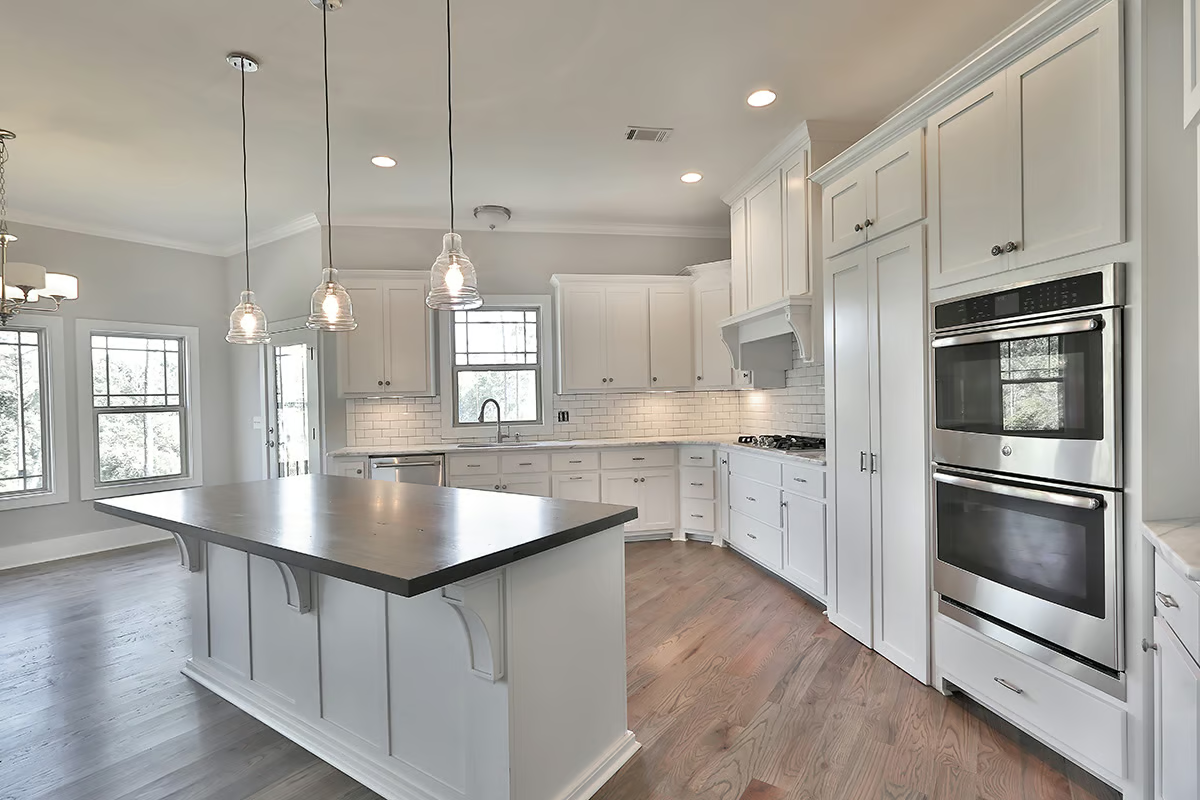
Building a home is often viewed through the lens of design, materials, and the initial construction quote. However, anyone going through custom home construction quickly learns that the true cost of building goes beyond the base price. Understanding hidden costs early helps prevent budget overruns and ensures a smoother experience when working with custom house builders.
Whether you are comparing new house builders or searching for reliable house builders in Calgary, knowing where unexpected expenses typically arise can make a significant difference in your overall investment outcome.
Design Changes and Mid-Project Adjustments
One of the most common sources of hidden costs comes from changes made after construction has already started. Even small modifications to layout, materials, or finishes can trigger additional labor, redesign work, and delays. During custom home construction, adjustments often affect multiple stages of the build at once, from engineering to permitting. While experienced custom homes builders will accommodate changes, each revision typically comes with added cost and time implications that are not always obvious at the beginning. These changes also tend to create a ripple effect across the entire project. For example, moving a wall or upgrading a kitchen layout may require updates to electrical plans, plumbing routes, HVAC placement, and structural engineering. What seems like a simple design improvement can quickly become a coordinated redesign involving multiple trades. This is why even reputable new house builders emphasize locking in key design decisions early in the process, as later-stage revisions are significantly more expensive than pre-construction planning. In many cases, these adjustments are driven by evolving preferences once homeowners see the space take shape. Working closely with experienced house builders and committing to detailed planning before construction begins can help reduce these changes and keep both timeline and budget under control.
Site Conditions and Preparation Surprises
Land may look ready for construction on the surface, but hidden conditions underground often create unexpected expenses. Soil quality, drainage issues, slope challenges, or the need for additional excavation can all impact the final budget.
Some new house builders include basic site assumptions in their pricing, but complex lots or infill locations may require additional engineering work. This is especially important when working with house builders near me in established neighborhoods where older infrastructure or unknown site conditions are more common.
Permit Delays and Municipal Requirements
Permitting is another area where costs can increase unexpectedly. While basic permit fees are usually anticipated, delays or additional requirements from the city can extend timelines and increase holding costs such as financing interest or temporary housing. In custom home construction, projects may also require revisions to meet zoning, energy efficiency, or safety standards. Skilled custom house builders typically anticipate these requirements, but changes during the approval process can still add to the overall expense.
Material Upgrades and Market Fluctuations
Material selection plays a major role in the final cost of a home. Many homeowners initially select standard finishes, only to upgrade later once they see design options in person. These upgrades can significantly increase the final budget.
In addition, market volatility can impact pricing during the build. Supply chain disruptions or rising material costs may affect even well-planned projects. Established custom homes builders often include price escalation clauses to manage this risk, but it remains a factor homeowners should be aware of from the start.
Labor and Scheduling Inefficiencies
Construction timelines are carefully planned, but delays are not uncommon. Weather conditions, subcontractor availability, supply chain disruptions, and inspection schedules can all impact progress on site. When a project takes longer than expected, costs often increase due to extended labor requirements, additional equipment rentals, site supervision, and ongoing project management fees. Even short delays can compound over time, especially on larger custom home construction projects where multiple trades are scheduled in sequence.
These inefficiencies are often not caused by a single issue, but rather a combination of small delays that build up throughout the build. For example, if framing is delayed, it can push back electrical and plumbing work, which then affects insulation, drywall, and finishing stages. This domino effect is particularly relevant in complex builds managed by custom homes builders, where coordination between multiple teams is essential to maintaining momentum.
Working with experienced house builders can significantly reduce these risks, as established teams typically have stronger trade networks and more accurate scheduling systems. However, even well-managed projects can face unexpected disruptions. This is why clear communication, realistic timelines, and proactive planning are essential when selecting a house builder in Calgary for your project, ensuring that both budget and expectations remain aligned throughout the construction process.
Utility Connections and Exterior Work
Utility hookups such as water, sewer, electricity, and gas are sometimes underestimated in early budgeting. Depending on the location of the property, connection costs can vary significantly.
Exterior work can also add unexpected expenses. Driveways, landscaping, fencing, and grading are often not included in base construction quotes but are essential for completing the home. In custom home construction, these finishing elements can represent a substantial portion of the final investment.
Custom Home Construction
Hidden costs are a natural part of building a home, but they can be managed with proper planning and the right team. Working with experienced custom house builders or reputable custom homes builders helps reduce surprises and provides clearer expectations from the beginning.
Whether you are evaluating new house builders or narrowing down house builders near you, the key is to look beyond the initial quote and understand the full scope of what is included. A well-prepared approach to custom home construction ensures that your budget reflects not just the house you plan to build, but the complete process required to bring it to life.